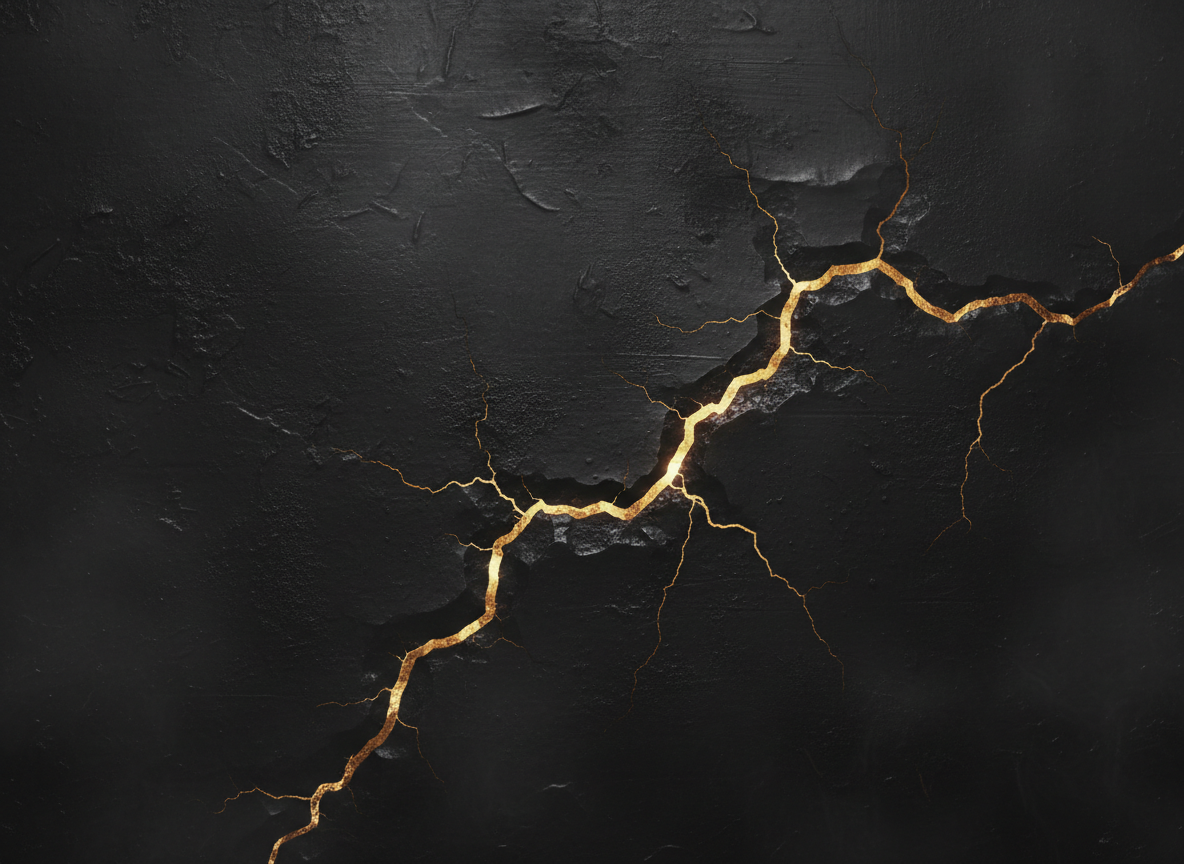
We are born into a world that, on its surface, promises comfort. We are sold a life free of friction, where the greatest success is the elimination of discomfort. From frictionless consumer experiences to instant gratification, the prevailing modern ethos is to avoid struggle at all costs. We are taught to see pain as a sign of failure, and to view difficulty as a flaw in the system.
But what if the opposite is true? What if struggle is not an obstacle to be avoided, but the very force that forges us?
The human story is not a tale of effortless success; it is a chronicle of deliberate action in the face of adversity. The most profound discoveries, the most resilient leaders, and the most enduring works of art were not born in a vacuum of comfort. They were born in a crucible—a vessel designed to withstand immense heat and pressure, where raw elements are refined into something stronger and purer than they were before.
The challenge of modern life is not a lack of opportunity; it is a lack of intentional struggle. We have been so effective at removing friction from our lives that we have also removed the very mechanism of our own growth. To truly master ourselves, we must reframe our relationship with adversity. The goal is not to seek out suffering, but to meet it not as a victim, but as an artisan. We must learn the difference between destructive struggle—the aimless flailing against a world we refuse to accept—and constructive struggle, which is the deliberate act of applying pressure to ourselves in pursuit of a higher purpose.
Constructive struggle is a strategic choice. It is the decision to finish a difficult project even when you are exhausted, because the discipline it builds is more valuable than the fleeting comfort of rest. It is the choice to have a difficult conversation to seek truth, because the integrity it forges is more precious than the peace of ignorance. It is the practice of confronting our fears and biases, not to be a better person in a single moment, but to harden the very sinews of our character.
To practice constructive struggle is to understand that the path to resilience is not paved with ease, but with resistance. It is to know that strength is not a gift, but a byproduct of pressure. The truly unbreakable person is not the one who has never been broken, but the one who has learned how to put themselves back together, stronger than before, time and time again.
In a world that encourages us to soften, a conscious commitment to struggle is an act of rebellion. It is a quiet, powerful decision to use the inevitable frictions of life as tools—to forge wisdom from mistakes, courage from fear, and clarity from chaos. This is not a philosophy for the faint of heart, but for those who understand that the greatest life is not a life without challenges, but a life defined by how we choose to overcome them.